Cost Guides · 7 min read
Asphalt Overlay Cost Per Square Foot in North Texas: What to Expect
Blackland Asphalt Team · August 20, 2026
When your commercial asphalt parking lot or private road shows significant wear in North Texas, an asphalt overlay can be a cost-effective solution. Property managers, HOA boards, and business owners often ask about the asphalt overlay cost per square foot. Understanding this figure requires breaking down the components that contribute to the overall project price. At Blackland Asphalt, we specialize in delivering durable asphalt solutions built to withstand the unique challenges of the Dallas-Fort Worth Metroplex, particularly the expansive Blackland Prairie clay.
An asphalt overlay, sometimes called a mill-and-overlay, involves removing a portion of the existing asphalt surface, applying a binding agent, and then laying a new layer of asphalt. This process rejuvenates the pavement without requiring a full depth reconstruction, saving both time and money when the underlying base is still sound.
The North Texas Factor: Why Your Soil Matters
The Blackland Prairie clay underneath much of our pavement in DFW is notorious for its expansive nature. It shrinks when dry and swells dramatically when wet. This constant movement puts immense stress on any rigid structure above it, including asphalt. For an overlay to be a viable and long-lasting solution, the pavement's foundation must be stable. If the base has failed due to subgrade movement, an overlay will only be a temporary fix, masking underlying issues that will resurface quickly.
Components of Asphalt Overlay Cost Per Square Foot
Calculating the precise cost per square foot for an asphalt overlay isn't as simple as picking a number off a list. Several factors contribute, and each project has unique requirements. However, we can break down the typical components.
1. Milling (Removing Existing Asphalt)
Milling is the first critical step in most quality asphalt overlays. It involves using specialized equipment to grind down and remove a specified depth of the existing asphalt surface. This achieves several objectives:
- Removes distressed material: Cracks, ruts, and other surface imperfections are taken out.
- Establishes proper grade and drainage: Milling allows us to correct minor drainage issues and ensure a smooth, even surface for the new asphalt.
- Maintains curb reveals and clearances: Removing asphalt prevents the new layer from rising above existing concrete curbs, sidewalks, and drainage structures, which is crucial for accessibility and water flow.
- Provides material for recycling: The milled asphalt can often be recycled, reducing waste.
The cost of milling varies based on depth and project size. A typical 1-inch or 2-inch mill is common for overlays. Generally, you can expect milling to add approximately $0.50 to $1.25 per square foot to your project, depending on the scope and accessibility. Larger, more open areas are more efficient to mill than complex layouts with many obstacles.
2. Tack Coat Application
Before placing the new asphalt, a tack coat – a thin layer of liquid asphalt emulsion – is sprayed over the milled surface. This critical step ensures a strong bond between the old and new asphalt layers. Without a proper tack coat, the new asphalt can delaminate, leading to premature cracking and failure. It’s a relatively inexpensive but vital part of the process. Tack coat typically adds a negligible amount to the per-square-foot cost, often less than $0.10 per square foot, but its importance cannot be overstated.
3. Asphalt Material and Paving (The Mat)
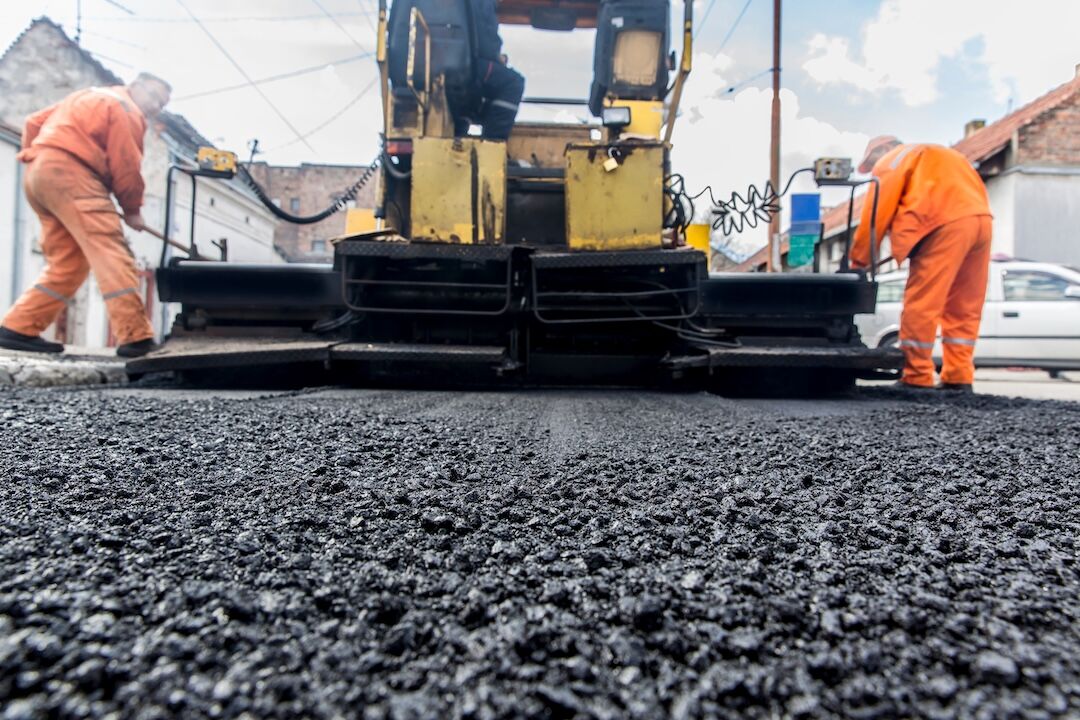
This is where the bulk of the material and labor cost lies. The new layer of hot-mix asphalt (HMA) is brought to the site, spread by a paver, and then compacted by rollers. The thickness of this new asphalt layer directly impacts the cost and durability of the overlay.
- Thickness: Common overlay thicknesses range from 1.5 inches to 2.5 inches. Thicker overlays provide greater structural integrity and longevity but naturally cost more.
- Asphalt Mix Type: Different asphalt mixes are designed for various traffic loads and climate conditions. A standard commercial surface mix is typically used for parking lots.
- Hauling Distance: The distance from the asphalt plant to your project site in Frisco or other DFW locations can influence material costs, especially for smaller jobs.
- Project Size: Larger projects generally benefit from economies of scale, leading to a lower per-square-foot price for materials and paving.
For the asphalt material and paving itself, you might anticipate a range of $2.50 to $4.50 per square foot for a typical 1.5-inch to 2-inch overlay. This component makes up the largest portion of the asphalt overlay cost per sq ft.
4. Parking Lot Striping and Markings
After the new asphalt has cooled and cured, the final step for most commercial properties is to re-stripe the parking lot. This includes parking stalls, handicap symbols, directional arrows, and fire lanes. The cost of striping depends on the complexity of your lot's layout and the total linear footage of lines and number of stencils required. While not strictly part of the asphalt laying process, it's an essential part of a complete overlay project.
Basic re-striping can add anywhere from $0.15 to $0.50 per square foot to the total project, depending heavily on the layout and density of markings. For more details, explore our Parking Lot Striping & ADA services.
Total Asphalt Overlay Cost Per Sq Ft: A Summary
Combining these components, a typical asphalt overlay project in North Texas, including 2 inches of milling, tack coat, 2 inches of new asphalt, and basic striping, could range from $3.25 to $6.35 per square foot. This is a broad estimate; actual costs depend on the specific site conditions, project size, access, and material choices.
For a project in a specific area like Frisco, TX, local logistics and material availability might slightly influence the final bid.
When is an Overlay NOT the Right Choice?
While an asphalt overlay is often a cost-effective solution, it's not a miracle cure. Knowing when an overlay is not appropriate can save you from a costly mistake and premature pavement failure. At Blackland Asphalt, we believe in providing honest assessments, even if it means recommending a more extensive solution.
An overlay is generally suitable when:
- The subgrade and base are stable.
- Cracking is primarily surface-level (alligator cracking is minimal or localized).
- Drainage issues are minor and can be corrected by milling.
An overlay is NOT the right choice when:
Extensive Base Failure
If your pavement exhibits widespread, severe alligator cracking (resembling alligator skin), deep rutting, or significant potholes that indicate a failing base layer, an overlay will not solve the fundamental problem. The new asphalt will quickly mirror the distress patterns from the unstable foundation beneath. In these cases, full-depth Asphalt Paving & Overlays or extensive base repair is necessary. You can spend money on an overlay only to see it fail within a year or two.
Poor Drainage or Subgrade Issues
Persistent standing water, soft spots, or areas that continuously heave and settle point to deeper issues. The expansive Blackland clay can exacerbate these problems. If water is infiltrating the subgrade and causing it to expand and contract excessively, an overlay won't address the root cause. This often requires excavation and stabilization of the subgrade.
Significant Structural Damage
Beyond alligator cracking, if there are severe structural breaks, upheaval, or areas of complete pavement disintegration, an overlay will be a temporary bandage at best. These symptoms indicate the pavement has reached the end of its structural life. While an overlay might smooth the surface for a short period, the underlying structural deficiencies will lead to rapid deterioration of the new surface.
Budgeting for the Long Term
Understanding the asphalt overlay cost per square foot is the first step, but a comprehensive Pavement Maintenance Programs can extend the life of your asphalt and optimize your investment. Services like crack sealing and sealcoating can prevent minor issues from becoming major, delaying the need for more expensive repairs like overlays or full reconstruction.
Blackland Asphalt is here to assess your commercial property's pavement needs accurately and provide solutions tailored to the North Texas environment. We provide transparent pricing and expert recommendations, ensuring your investment in asphalt is sound and sustainable.
Frequently Asked Questions
Is an asphalt overlay a permanent solution?
No pavement solution is permanent. An asphalt overlay extends the life of existing asphalt by 10-15 years, depending on traffic, maintenance, and initial pavement condition, but it is not a full reconstruction.
How long does an asphalt overlay project take?
The duration depends on the size and complexity of the project. A typical commercial parking lot overlay might take anywhere from a few days to a week or more, minimizing disruption to your business operations.
Can I do just a partial overlay?
While possible for very isolated areas of severe damage, a full, consistent overlay across a section of pavement generally provides the best results for ride quality and longevity by creating a uniform surface.