
Pothole Repair & Asphalt Patching in DFW, TX
Pothole Repair
A pothole is not a surface problem. It is the place where water got into the base, the base lost strength, and traffic punched through. Filling the hole without fixing that means you will be filling it again next year.
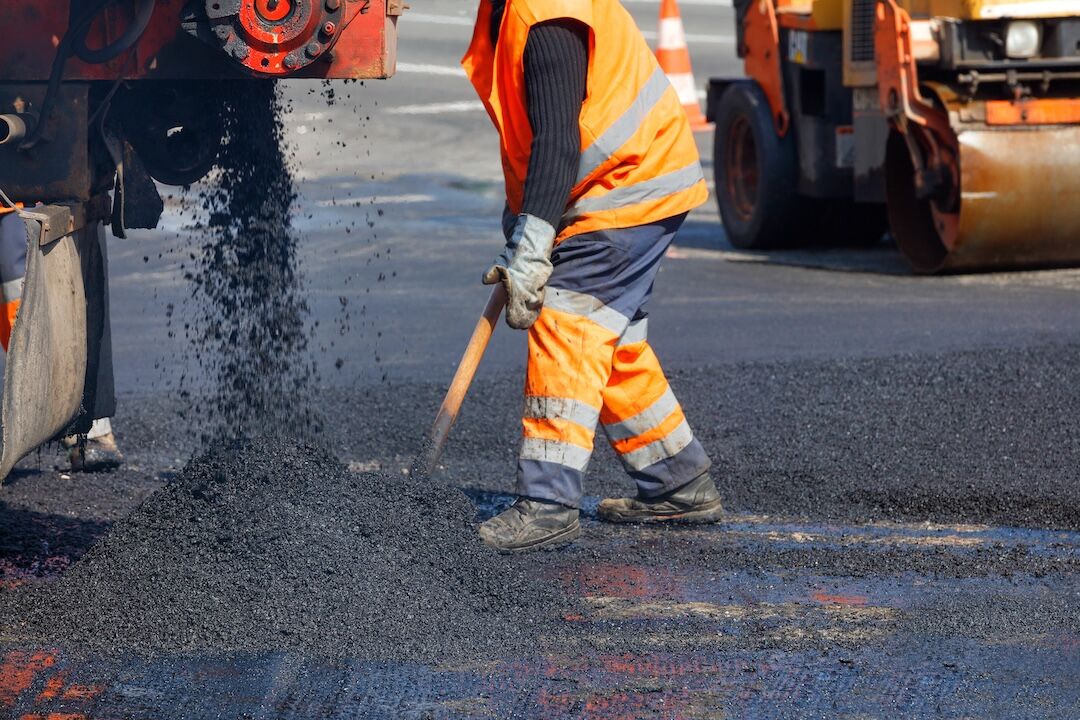
We repair potholes across DFW the way they should be done: saw-cut square, excavated to sound material, base rebuilt and compacted, then patched with hot mix and rolled to density.
Why Potholes Come Back
Cold patch thrown into a wet hole is a traffic-safety measure, not a repair. It has no bond, no compaction and no base correction behind it, so it works loose within weeks and the hole comes back bigger.
The permanent fix costs more per hole and lasts years instead of months. On a commercial property with liability exposure, that math is not close.
Commercial Pothole Repair Services in Dallas–Fort Worth
Every line item, spelled out.
Saw-cut square patches
Clean vertical edges cut past the damage into sound pavement, so the patch has something solid to bond against.
Full-depth excavation
Failed asphalt and contaminated base removed down to material that will hold, not just to the bottom of the hole.
Base repair and compaction
New base placed in lifts and compacted, with stabilization where the clay subgrade is the actual culprit.
Hot mix placement
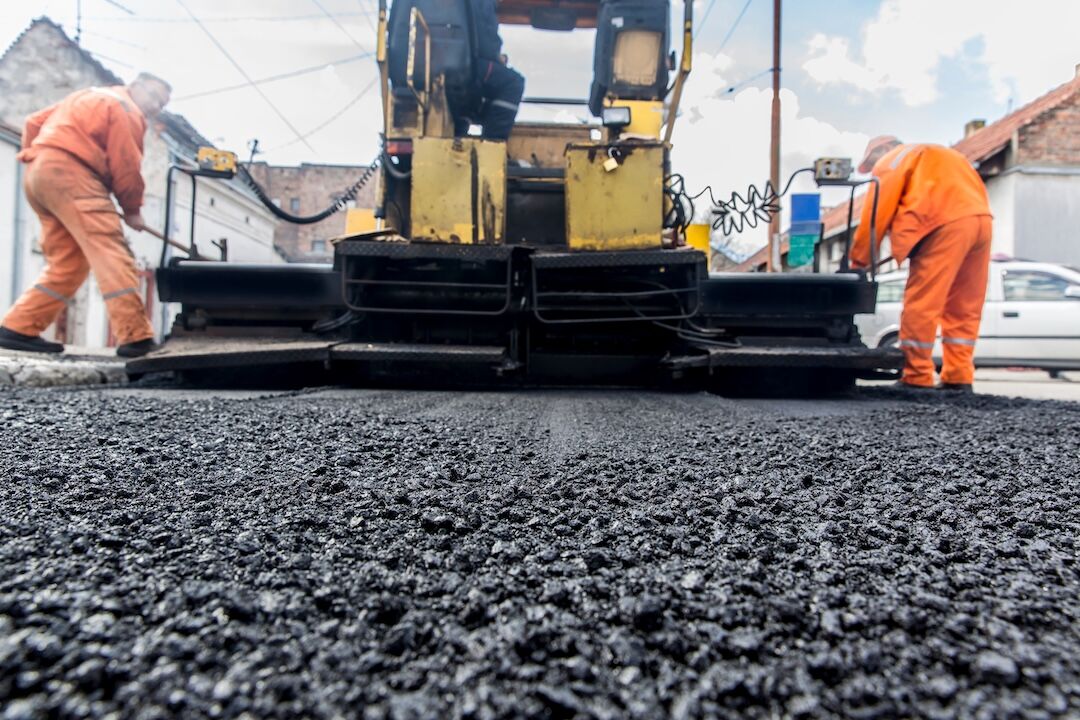
Hot mix asphalt placed and rolled to density, finished flush with the surrounding surface so water sheds across it.
Emergency and temporary repairs
When a hazard needs to be gone today, we make it safe now and schedule the permanent repair properly.
Trip hazard mitigation
Vertical displacements, broken edges and settled utility cuts corrected as part of the same visit.
Pothole Repair in Dallas–Fort Worth
On the job, on your property.
Liability and Trip Hazards
Potholes and settled pavement are the most common source of premises liability claims on commercial property. A documented repair record is worth as much as the repair itself when a claim comes.
Every patch we do gets photographed before and after with location noted, so your file shows the condition was identified and corrected.
Where Potholes Start on Blackland Clay
Built for the soil under your lot.
On expansive clay, potholes almost always begin as cracks. The clay shrinks in summer, cracks open, the first heavy rain sends water straight into the base, and traffic does the rest over the following winter.
That is why crack sealing is the cheapest pothole prevention available here, and why a patching program without a crack sealing program is a permanent expense.
Our Patching Process in DFW
No surprises from first walk to final roll.
- 01
Assess
Every failure located, measured and photographed, with a priority list by severity and liability risk.
- 02
Plan
Repair method per location, quantities, and scheduling around your traffic and business hours.
- 03
Repair
Saw cut, excavate, rebuild base, place hot mix and compact to density.
- 04
Maintain
Crack sealing and surface treatment scheduled so the next round of potholes never forms.
Pothole Repair FAQ
Straight answers before you call.
- How much does commercial pothole repair cost?
- Small full-depth patches are typically priced per square foot with a minimum mobilization, so one isolated pothole costs disproportionately more than ten repaired in the same visit. Batching repairs is the single easiest way to cut the cost.
- parking lot paving cost in DFW
- Can potholes be repaired in winter?
- Yes. Hot mix availability is limited during plant shutdowns, so cold weather sometimes means a temporary repair now and a permanent patch when plants reopen. We tell you which one you are getting.
- How long does a patch take to cure?
- Hot mix patches accept traffic as soon as they cool, usually within an hour or two.
- Should I patch or resurface?
- If failures cover more than roughly fifteen to twenty percent of the lot, patching stops being economical and resurfacing is the better buy. We give you both numbers so the comparison is yours to make.
- overlay vs. replacement cost breakdown
Related services
Where we work
Free Pavement Assessment in Dallas–Fort Worth
Ready to talk pothole repair?
On-site walkthrough, photo documentation, a written condition report and a five-year maintenance forecast. No cost, no pressure.