
Tar & Chip (Chip Seal) Paving in North Texas, TX
Tar & Chip Paving
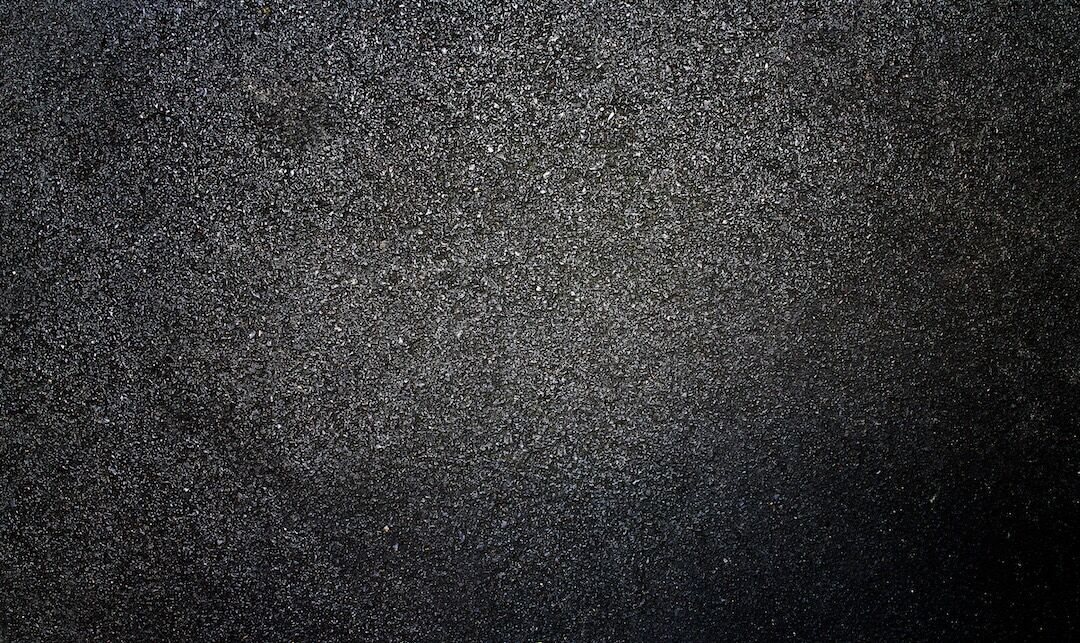
Tar and chip, also called chip seal, is hot liquid asphalt sprayed onto a prepared base with crushed stone spread and rolled into it. The result is a durable, high-traction surface with an exposed-aggregate look that suits acreage property far better than a smooth black driveway does.
It is the right answer for long drives north of the metroplex, where hot mix over a quarter mile gets expensive fast and gravel turns into ruts every spring.
Tar and Chip Driveway Cost
Tar and chip typically costs less than half of hot mix asphalt per square foot, and single-course versus double-course is the biggest variable in the price. A double chip seal costs more up front and lasts substantially longer, which is what we recommend on drives that see truck and trailer traffic.
Base preparation is the other cost driver. A drive with an existing compacted gravel base is far cheaper than one being built from raw clay, where the base has to be built and compacted before a drop of oil goes down.
Length and access matter too. Long rural drives price better per square foot than short ones because mobilization is spread across more surface.
Chip Seal vs. Asphalt vs. Gravel
Gravel is the cheapest to install and the most expensive to own. It washes out at the crown, ruts in wet clay and needs regrading and new material every year or two.
Hot mix asphalt is the smoothest and longest-lasting surface, and the most expensive. On a quarter-mile drive it is often two to three times the cost of chip seal.
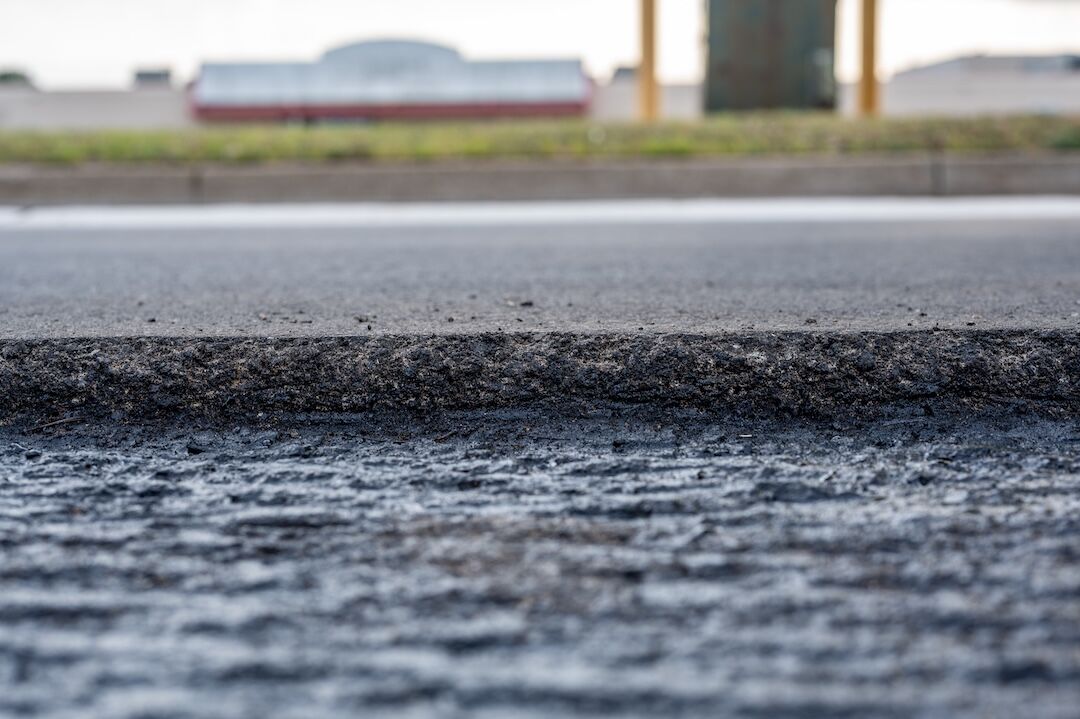
Tar and chip sits in between: a bound, sealed surface that sheds water and does not wash out, with excellent traction on slopes, at a fraction of asphalt cost. Its trade-offs are a rougher texture, loose stone for the first few weeks, and a re-chip every seven to ten years.
What a Tar & Chip Driveway Includes in Dallas–Fort Worth
Every line item, spelled out.
Base construction and compaction
Building and compacting a proper base over clay. Chip seal is a surface treatment, and it is only as good as what is under it.
Grading and crown
Establishing crown and cross slope so water runs off the drive instead of soaking the subgrade beside it.
Single or double chip seal
One course for light residential use, two for drives carrying trucks, trailers and equipment.
Aggregate selection
Stone color and size chosen for the property, from tan and buff limestone to darker traprock.
Culverts and crossings
Culvert pipe, headwalls and low-water crossings handled as part of the drive, not left for someone else.
Edge and shoulder support
Compacted shoulders so the edges do not ravel, which is how most rural drives start to fail.
Tar & Chip Paving in Dallas–Fort Worth
On the job, on your property.
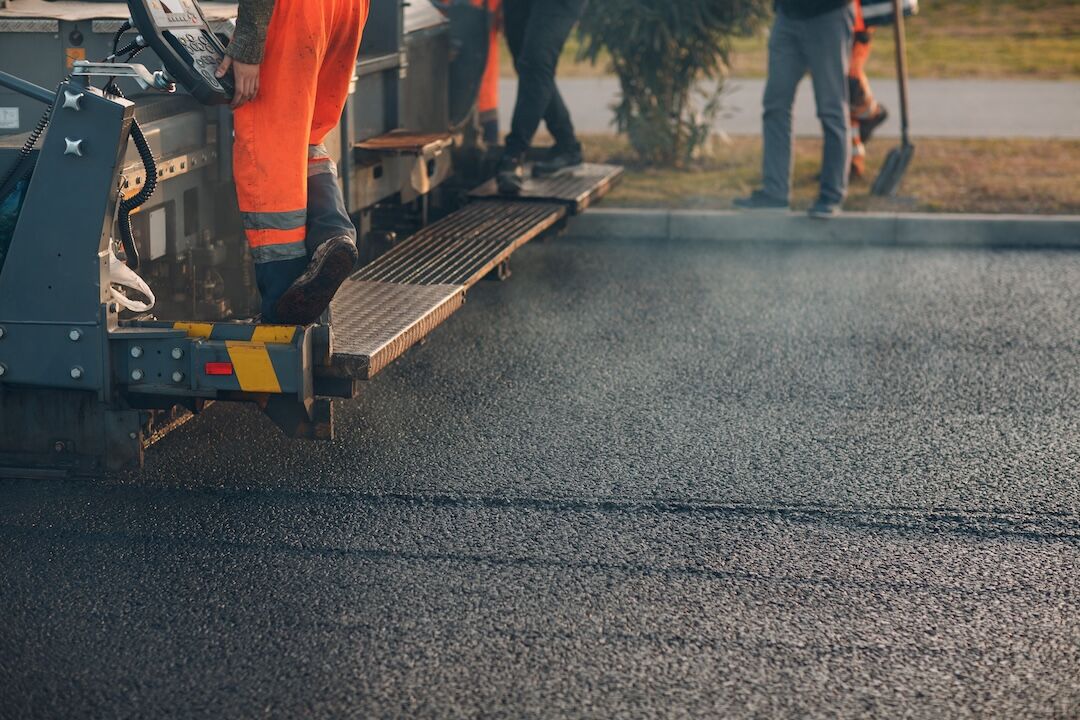
Ranch and Acreage Drives in the Exurban Corridor
Celina, Prosper, Anna and Melissa are full of five to fifty acre properties with drives running several hundred feet from the county road to the house. Those drives cross drainage, carry stock trailers and delivery trucks, and sit on some of the most expansive clay in Texas.
Chip seal handles that combination well. It flexes with minor subgrade movement instead of cracking in slabs, it grips when wet, and when it eventually wears you re-chip the surface rather than rebuilding the drive.
Chip Seal on Expansive Clay
Built for the soil under your lot.
Clay moves, and a rigid surface fights that movement until it loses. Chip seal is flexible by nature, so seasonal swell and shrink tends to show up as minor surface irregularity rather than structural cracking.
The part that decides success is drainage. A crowned drive with real ditches and correctly sized culverts keeps water out of the clay beside and beneath it. A flat drive with no drainage will fail no matter what surface you put on it.
Our Chip Seal Process in DFW
No surprises from first walk to final roll.
- 01
Assess
We walk the drive, check the existing base and drainage, and measure length and width for real numbers.
- 02
Plan
Base scope, single or double course, aggregate choice, culvert work and a schedule that keeps you able to get in and out.
- 03
Build
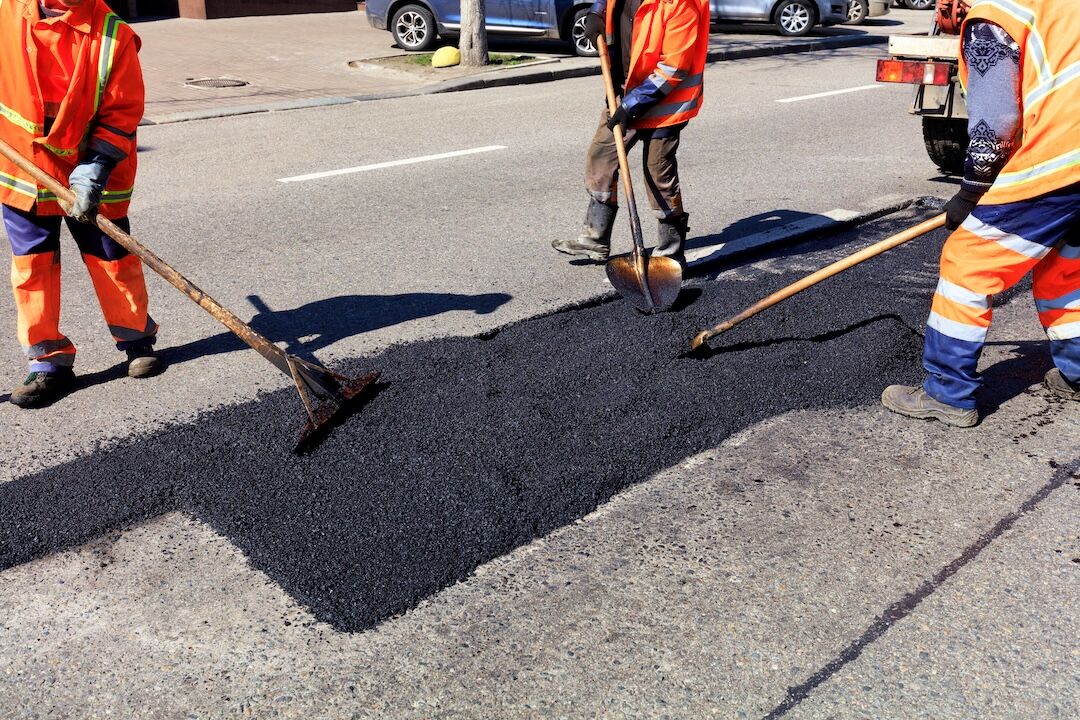
Base built and compacted, grades and crown set, then hot oil applied and stone spread and rolled in.
- 04
Maintain
Sweeping loose stone after cure, then a re-chip on cycle years down the road instead of a rebuild.
Tar & Chip Paving FAQ
Straight answers before you call.
- How long does a tar and chip driveway last?
- Seven to ten years for a double chip seal on a properly built base, and longer with a re-chip at the right time. Base quality matters more than anything else.
- Is chip seal cheaper than asphalt?
- Yes, usually less than half the cost per square foot. The savings grow with drive length, which is why it is so common on acreage property.
- Does chip seal throw loose rock?
- Some stone works loose in the first few weeks. We sweep after cure, and after that a well-built chip seal holds its aggregate.
- Can you chip seal over an existing gravel drive?
- Often yes, if the gravel base is thick enough and compacts properly. If it is thin, contaminated with clay or badly rutted, the base needs work first and we will tell you that before quoting.
- Can chip seal handle heavy trucks?
- A double chip seal over a well-built base handles stock trailers, delivery trucks and equipment. Constant heavy commercial traffic belongs on hot mix.
Related services
Where we work
Free Pavement Assessment in Dallas–Fort Worth
Ready to talk tar & chip paving?
On-site walkthrough, photo documentation, a written condition report and a five-year maintenance forecast. No cost, no pressure.