

Pavement Maintenance Programs for DFW Properties, TX
Pavement Maintenance Programs
One-off bids are how pavement budgets get out of control. A maintenance program replaces surprise capital requests with a calendar and a number you can put in front of an owner or a board.
We inventory your pavement, score its condition, and build a three to five year plan that spreads work across budget years while extending the life of every lot in the portfolio.
A Pavement Maintenance Company, Not a One-Off Contractor
Most pavement spending is reactive: something fails, three bids get collected, the cheapest number wins, and nobody looks at the lot again until the next failure. That cycle is why pavement budgets blow up.
We work the other way. One partner holds the inventory, the condition history and the calendar, so every dollar is spent in the year it does the most good instead of the year the pothole appeared.
What's in a Pavement Management Plan in Dallas–Fort Worth
Every line item, spelled out.
Pavement inventory
Every lot measured, mapped and photographed, with square footage and surface type on record.
Condition scoring
Distress-based condition rating per lot so you can compare properties objectively.
Five-year forecast
Year-by-year scope and budget: crack seal, seal, patch, resurface, reconstruct.
Scheduled service visits
Recurring crack sealing, sealcoating and striping on cycle, not on emergency.
Annual reinspection
We rewalk the property each year and update the plan with what actually changed.
Board-ready reporting
Photo documentation and plain-language summaries for owners, boards and reserve studies.
Pavement Maintenance Programs in Dallas–Fort Worth
On the job, on your property.
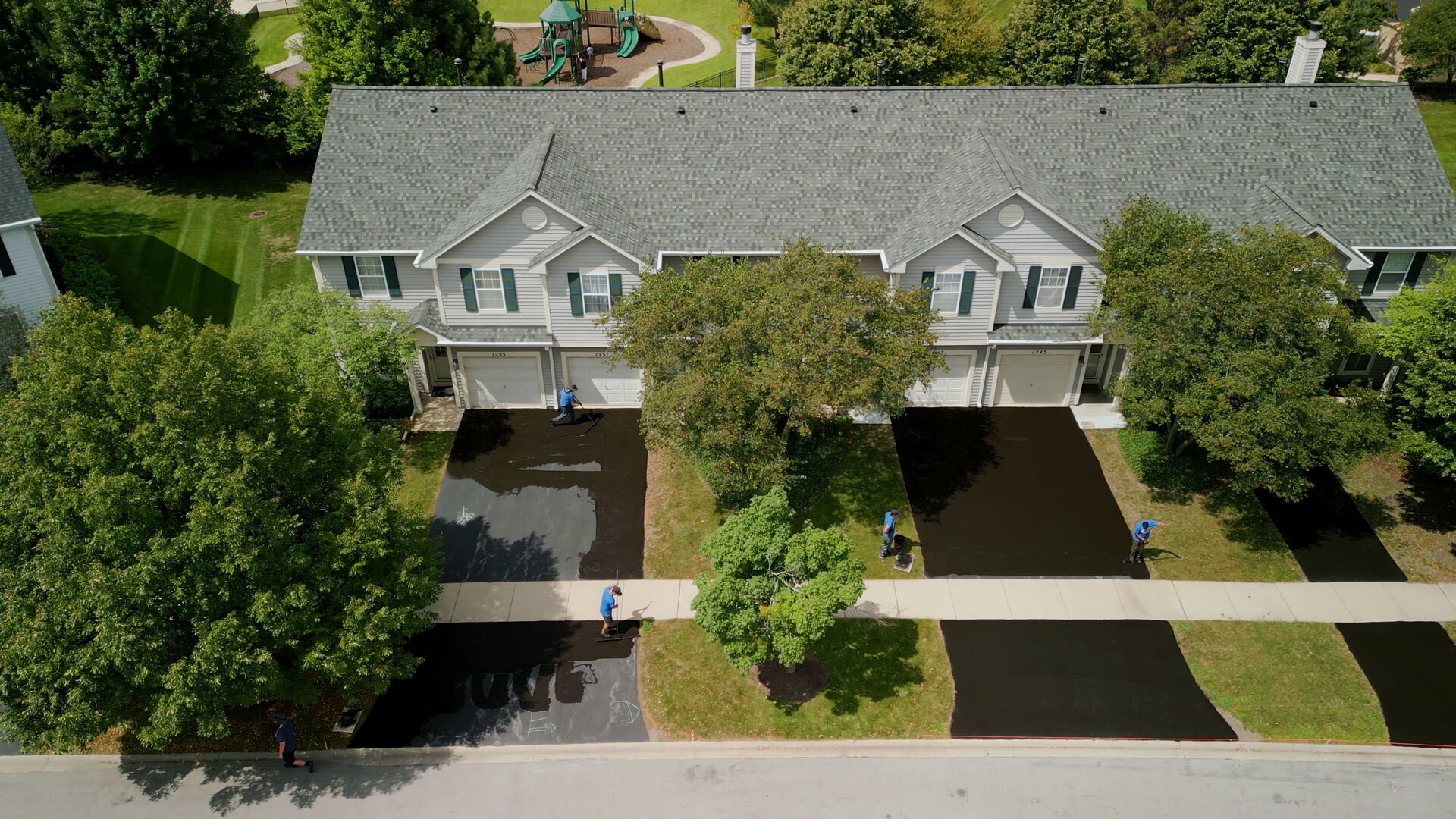
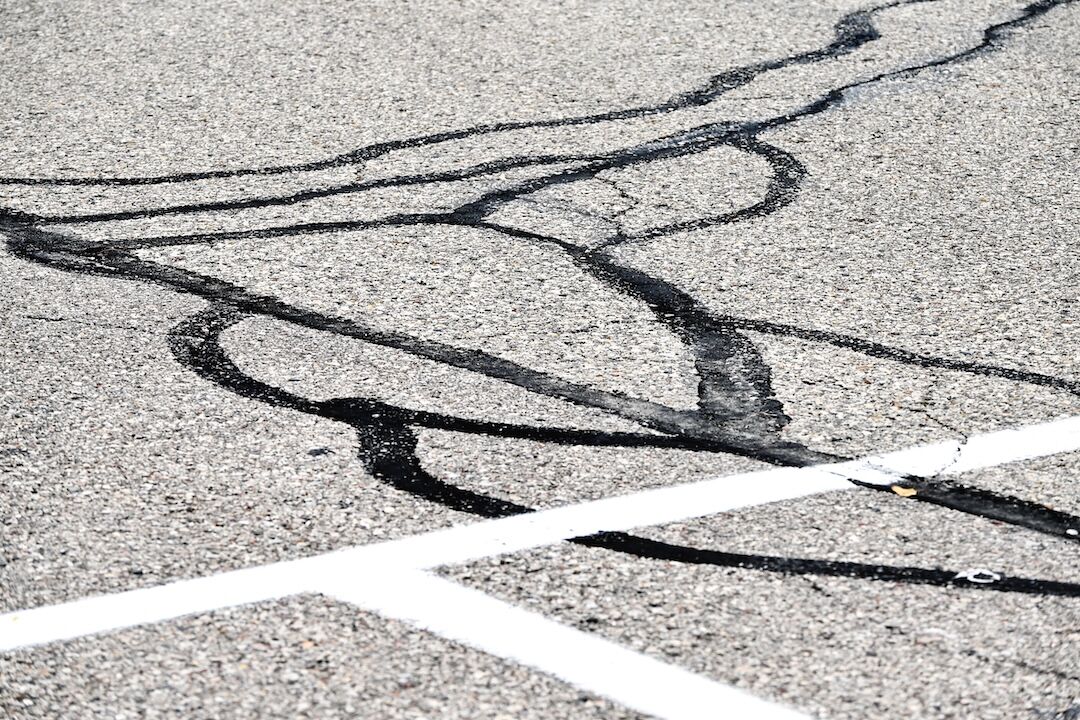
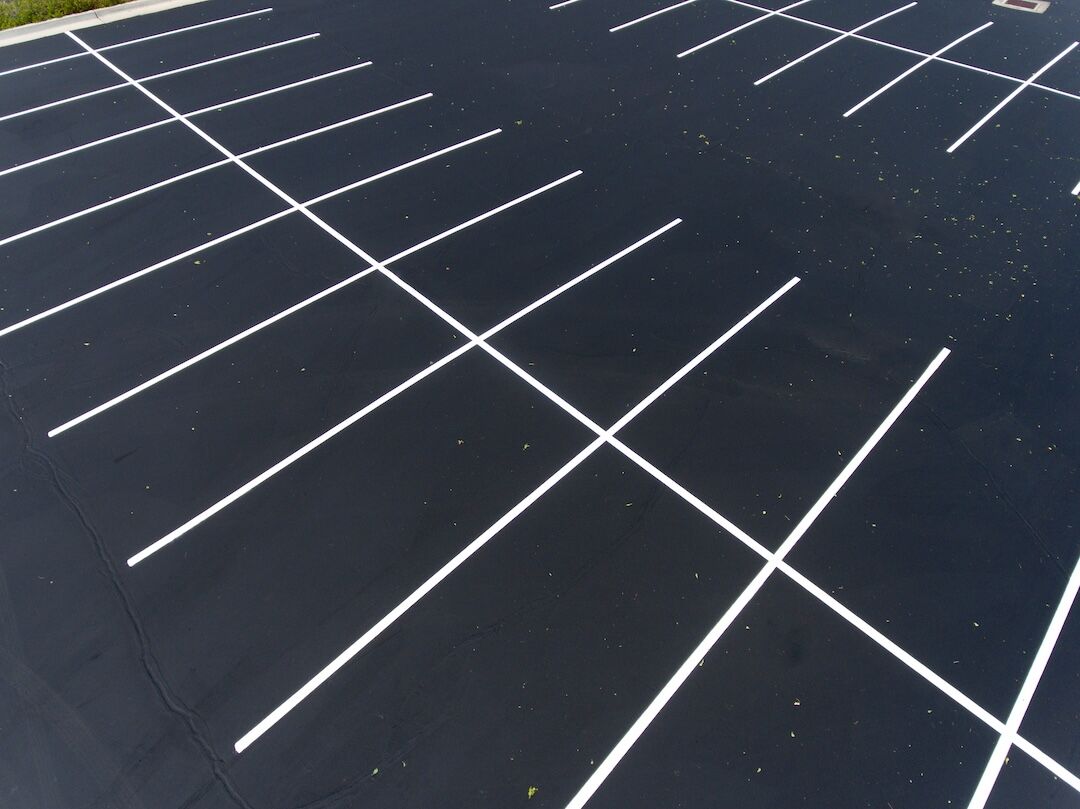

Who We Serve: Property Managers, HOAs & Facilities
Property managers get board-ready condition reports and phased scopes that line up with budget cycles. HOAs get community streets, entries and amenity lots planned around the reserve study instead of around emergencies.
Facilities and operations teams get scheduling that respects the property: night and weekend phasing for retail, summer windows for schools, and work sequenced around services at church campuses.
Asphalt Maintenance Program Pricing
Programs are priced by scope and cycle, not by surprise. You see the five-year total, the per-year number and the unit pricing behind every line, and enrollment locks unit rates across the term so budgeting is straightforward.
For most portfolios the annual maintenance number lands at a small fraction of a single resurfacing, which is exactly the trade the program is designed to make.
Programs Beat Projects on Blackland Clay
Built for the soil under your lot.
North Texas soil never stops moving, so pavement here degrades on a curve, not a straight line. A lot that looks fine for years can drop off quickly once water is reaching the subgrade.
Programs work because they intervene while the fix is still inexpensive. A dollar of crack sealing and sealcoating in the right year regularly displaces six to ten dollars of reconstruction later.
How the Program Runs in DFW
No surprises from first walk to final roll.
- 01
Assess
Full portfolio walkthrough with photo documentation and condition scoring.
- 02
Plan
Multi-year forecast and budget delivered as a written pavement management plan.
- 03
Execute
Scheduled work each year with a single point of contact across all sites.
- 04
Reassess
Annual reinspection and plan update so the forecast stays honest.
Maintenance Program FAQ
Straight answers before you call.
- What does a maintenance program cost?
- The assessment and plan are free. Annual program cost depends on portfolio size and condition, and it is normally lower than what owners spend reacting to failures.
- Are we locked into a contract?
- Programs are typically written as multi-year plans with annual scopes. You approve each year's work before it is scheduled.
- Can you take over an existing portfolio mid-year?
- Yes. We inventory what you have, honor whatever is already scheduled, and start the plan from current condition.
- Do you work across multiple cities?
- Yes. We manage portfolios spread across Plano, Frisco, McKinney, Allen, Richardson, Carrollton and the surrounding area.
Related services
Where we work
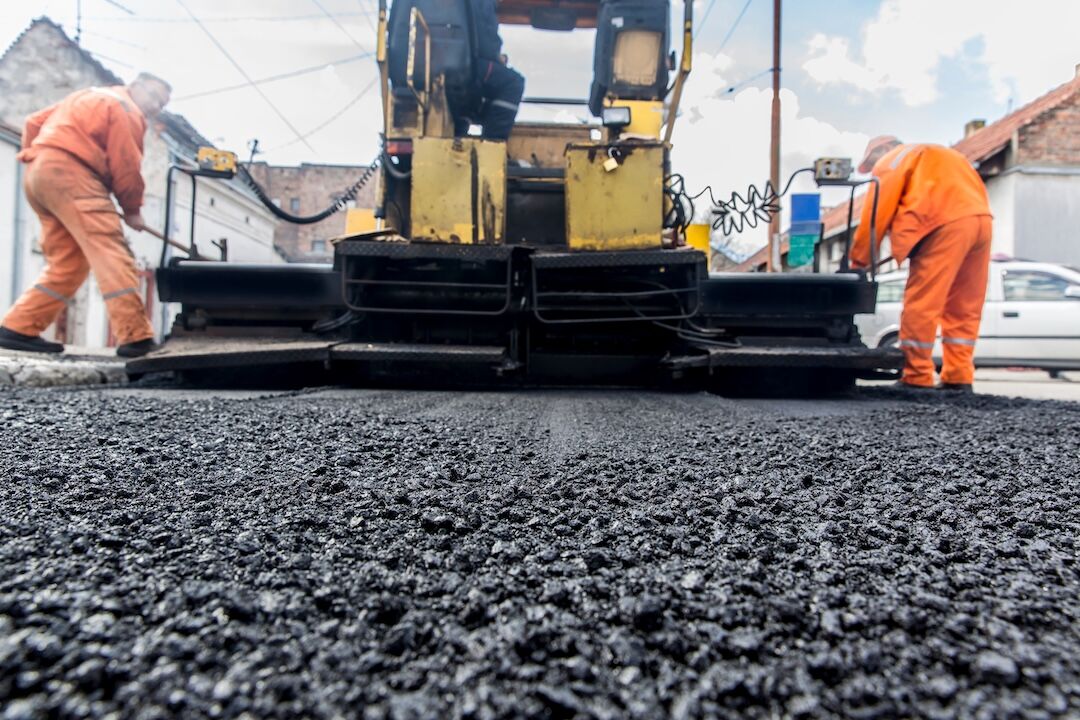
Free Pavement Assessment in Dallas–Fort Worth
Ready to talk pavement maintenance programs?
On-site walkthrough, photo documentation, a written condition report and a five-year maintenance forecast. No cost, no pressure.